If you’ve ever received a vague or confusing answer to a question, you know how frustrating it can be. In software development, clear communication through Q&A (Questions and Answers) is essential for efficiency, accuracy, and smooth collaboration.
This guide provides a practical framework for writing Q&A that leads to quick, actionable, and reliable responses—based on core principles and common mistakes to avoid.
Start with the Right Mindset: Understand Your Audience
One of the most common mistakes in Q&A communication is assuming that the recipient (your supervisor, client, or customer) fully understands your specific context. In reality, they are not directly involved in your task and cannot see the “hidden part of the iceberg.”
Rule 1: Be Specific, Not Vague
Do not assume reviewers know the underlying technical details or background. Spell out everything relevant to the question.
Rule 2: Don’t Ask “How Should I Solve It?”
When someone assigns you a task, they expect you to research, analyze, and propose a solution, not ask them to do your work for you.
Before sending a QA, investigate thoroughly and prepare your own approach—even if it’s not perfect.
The 5 Essential Components of a Good QA
A well-written QA should contain all the necessary context for the reviewer to answer without needing follow-up questions.
Include the following five elements:
1. Main Topic / Purpose
What is the question about? State the subject clearly.
2. Current Status
Describe the current situation or what you have observed.
3. Affected Scope
Specify what parts of the system are involved:
source code, modules, documents, features, etc.
4. The Question or Confirmation Needed
Ask the exact question you need answered. Avoid vague or multi-level questions.
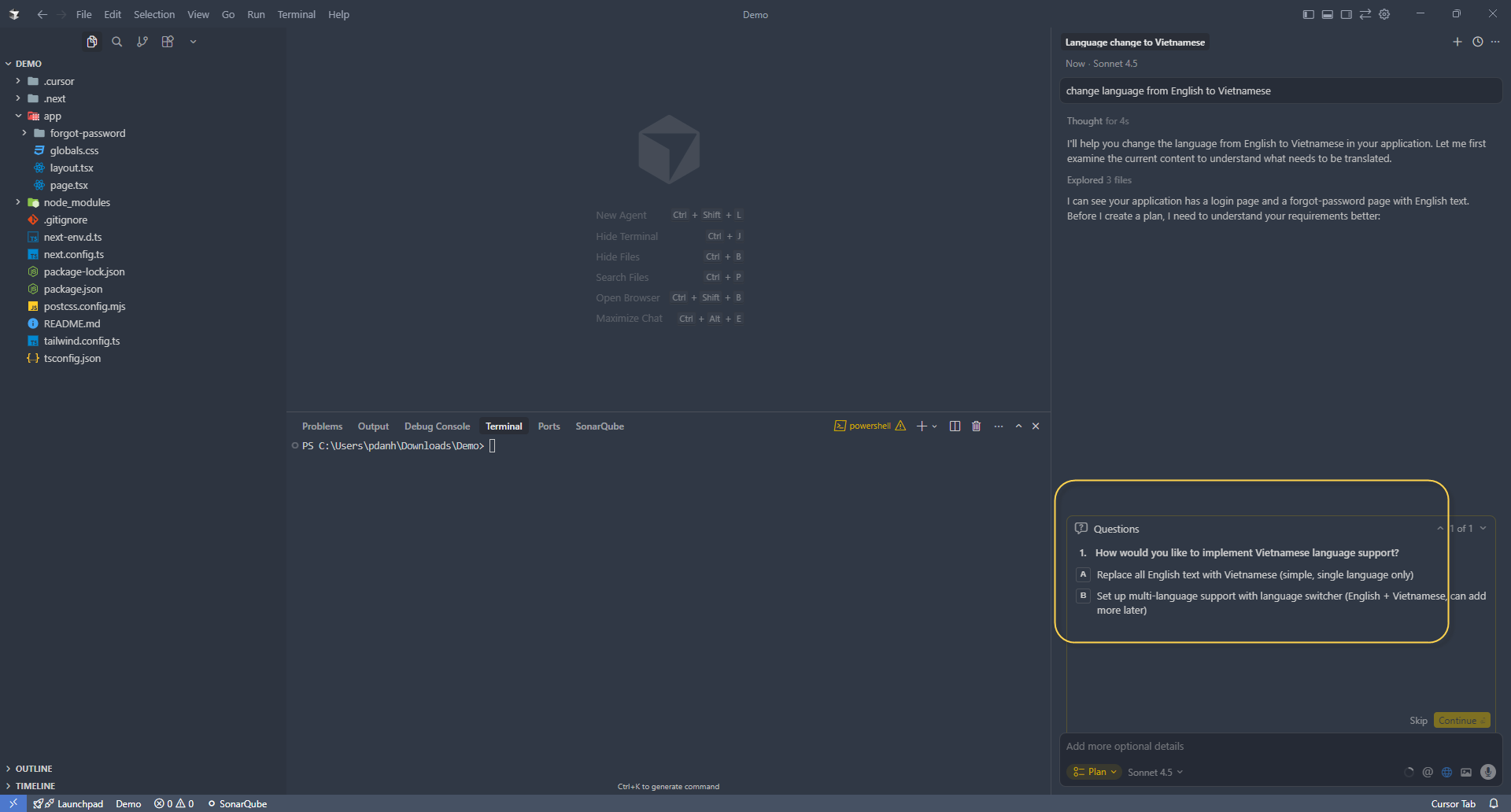
5. Your Proposed Solution
Provide your own idea, direction, or hypothesis, even if tentative.
This demonstrates effort and helps reviewers validate quickly.
Common Pitfalls: Examples of Incomplete Descriptions
Poorly written Q&A often contain vague wording, unclear references, overly complex logic, or missing information. Below are typical examples:
|
Example Phrase / Type |
The Problem |
What You Should Confirm |
|---|---|---|
|
Missing Description |
It is unclear where the output should be displayed. |
Confirm whether the output should be written to a file or displayed on the screen. |
|
Complex Logic |
Complicated logic increases the risk of misunderstanding or incorrect assumptions. |
Break down the complex part clearly and confirm each piece separately. |
|
No Clear Deadline |
The deadline is not specified. |
Confirm the exact date and time for submission/reporting. |
|
No Clear Outcome |
The expected result of the research or task is unknown. |
Confirm when and what research output should be delivered. |
|
Vague Reference |
There may be multiple interpretations of “previous processing.” |
Confirm exactly which past procedure or behavior is being referenced. |
Conclusion
By structuring your Q&A with clear context (Current Status, Scope, and Proposed Solution) and avoiding vague or overly complex phrasing, you make it easy for reviewers to provide accurate answers immediately.
Ready to get started?
Contact IVC for a free consultation and discover how we can help your business grow online.
Contact IVC for a Free Consultation